

Your complete fundraising event checklist for nonprofits

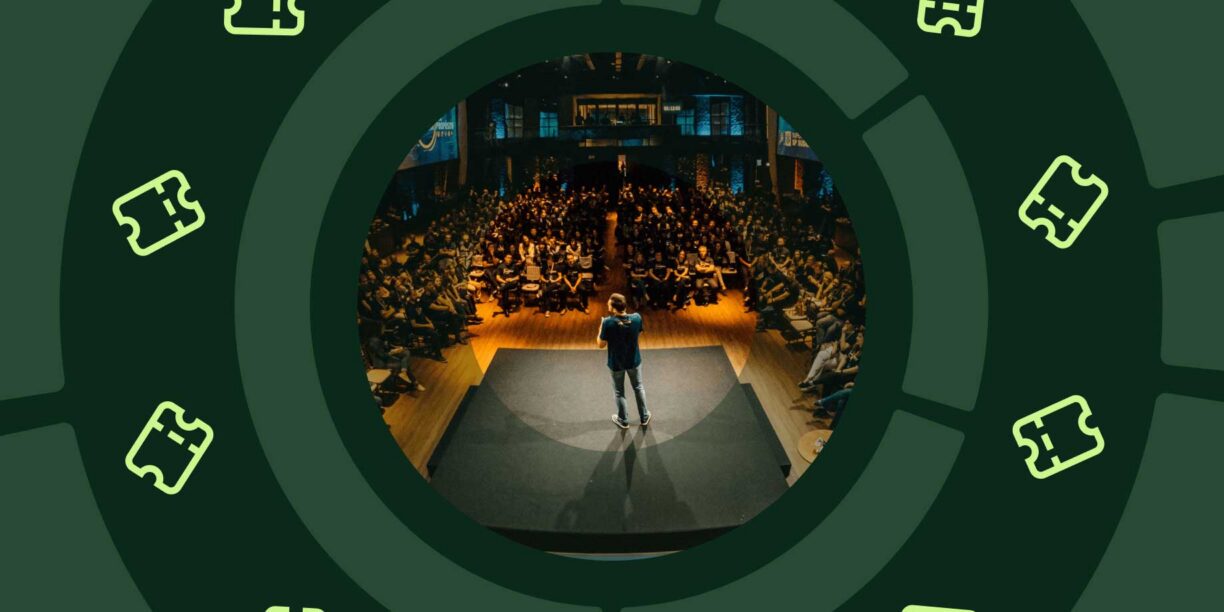
Fundraising events are one of the best ways for nonprofits to engage donors, attract new supporters, and raise funds. From dinners to marathons, live events create meaningful moments that can turn one-time donors into lifelong supporters of your cause.
However, success depends on careful planning and execution. With the right preparation, you can create an engaging experience that drives donations and builds lasting connections with your supporters. Whether hosting a gala, 5k, or virtual event, we can help you launch a successful fundraising experience.
This checklist will guide you through the key elements, from setting up mobile-friendly donation pages to using text-to-give tools, ensuring your campaign is easy to engage with and delivers strong results.
Types of nonprofit fundraising events
Nonprofits can select from a wide range of fundraising event formats. Some go big with black-tie galas. Others keep it casual with backyard walkathons or live streams. And some skip a central event altogether. Whatever type you go for, this nonprofit event checklist covers what every event needs.
Galas and dinners
Think seated dinners with a program, plus live or silent auctions and paddle raises woven in. Galas work best when you want face time with your mid-to-major donors. For planning guidance, see the GoFundMe Pro gala guide.
Runs, walks, and athons
Participant-led events built around peer-to-peer fundraising allow each registrant to fundraise on your behalf. They collect pledges from their own network, and the giving doesn’t stop at the finish line. It starts well before the event and often continues after. For step-by-step guidance, explore our run and walk planning guide.
Virtual and hybrid events
These events expand your reach beyond your local area and reduce venue costs. Live streams, virtual auctions, and online giving days are all common ways to run them.
Community and peer-to-peer events
In these events, supporters take the lead. Think birthday fundraisers, personal challenges, or DIY events. Or your nonprofit doesn’t have to run a central event at all. For a full breakdown of how to reach and rally more of these supporters, explore our peer-to-peer guide.
Pre-event planning essentials
Before diving into campaign details, start by building a strong foundation. Define your fundraising goals and align them with your nonprofit’s mission. Are you focused on attracting new donors, increasing donations from current supporters, or raising more with peer-to-peer fundraising? Knowing your goals will shape your event strategy.
Next, decide on your event format. In-person events create face-to-face moments with your community, whereas virtual events extend that same connection to supporters who can’t attend in person, widening your reach without losing the personal touch. Hybrid events combine both, giving you flexibility to involve more people and accommodate different needs.
Also, offer a flexible giving experience. Today’s donors expect options like credit cards, Apple Pay, and Venmo. Adding text-to-donate tools can also boost participation, making it easy for supporters to give during your event.
Event page optimization
Your registration page is the center of your fundraising event. Make sure it’s mobile-friendly, as many supporters will access it from their phones or tablets. A seamless mobile experience is essential to keep donors engaged.
Build simple, compelling registration pages that allow people to register to attend, fundraise on your behalf, and donate. Also, use visuals like impact statements, photos, and testimonials to tell your story and motivate donors.
If you’re hosting an in-person event, add QR codes to your materials for attendees to quickly access your donation page. This eliminates the need for typing long URLs and makes it easier for supporters to give.
Technology and platform integrations
Choose a fundraising platform that supports every aspect of your event. The right platform should handle event registration, enable mobile giving, and integrate with your donor management systems. GoFundMe Pro’s Live Events offers features like donation tracking, real-time reporting, and flexible setup for in-person, online, or hybrid events. It also enhances day-of-event engagement with support for live and silent auctions.
Integration is key. Your platform should sync with your customer relationship management software to keep donor information organized and simplify personalized follow-ups. Look for tools that offer text messaging capabilities to remind supporters about deadlines, share updates, and promote giving opportunities.
If your event includes auctions, consider adding mobile bidding software. This allows bidders to browse items, place bids, and get outbid alerts right from their phones.
Registration and ticketing setup
Streamline your event registration to make it easy for attendees to sign up. You can also offer multiple ticket types, such as VIP packages, general admission, and virtual attendance. Each ticket should clearly outline what it includes and specify any tax-deductible items.
For runs, walks, and athons, though, registration means more than ticketing. These events give each participant their own fundraising page so they can collect pledges from friends and family before, during, and after the event. Setting this up at registration rather than as an afterthought is what separates a real fundraiser from a simple ticket sale.
Your event registration software should accommodate group purchases and collect additional information, like dietary needs or seating preferences, during the registration process. Early-bird pricing is a great way to encourage sign-ups and help you plan the details. You can also offer discount codes for volunteers, board members, or major donors to recognize their contributions.
Also, add opportunities for attendees to donate during registration. Many supporters are willing to give beyond the ticket price, and making this easy can boost your overall fundraising.
Mobile giving and payment processing
A seamless payment experience is essential for modern nonprofit fundraising. Your payment processor should handle various payment methods, including credit cards, digital wallets, and recurring donations. Ensure the system is fast, reliable, and works seamlessly across mobile devices.
Text-to-donate tools also provide an easy way for people to give during your event, especially during emotional moments or urgent appeals. Set up keywords that supporters can text along with their donation amounts and provide automated responses to complete the process.
A flexible giving platform like GoFundMe Pay can offer multiple giving options to meet different preferences, including Apple Pay, Google Pay, PayPal, and Venmo, to make giving more convenient.
Content and communication strategy
A strong content and communication plan is essential to driving excitement and engagement. Build a content calendar that focuses on pre-event promotion, event-day updates, and post-event follow-ups. Then, share behind-the-scenes moments, feature testimonials, and highlight your mission to create personal connections.
For peer-to-peer fundraising, provide participants with resources like email templates, social media graphics, and talking points to help them raise money on your behalf.
Also, use multiple channels to reach your audience. Text messages work well for urgent updates, emails can provide detailed information, and social media can broaden your reach. Tailor your messaging for each platform while keeping it consistent.
Promotion timeline and tactics
Timing your promotion right can elevate or alter your fundraising event planning. Here’s how to sequence it by format and channel.
- Galas and other large in-person events: Begin promoting 6–8 weeks out, giving you room for venue RSVPs and sponsor outreach.
- Runs, walks, and athons: Start 8–12 weeks out, since participants need time to collect pledges from their networks. Give each participant their own fundraising page link and a ready-to-share kit, including photos, a caption, and a prewritten ask, the moment they register, not the week before. That way, each participant becomes their own outreach channel, reaching people your nonprofit couldn’t reach alone.
- Virtual events: Start 2–4 weeks out, since there’s less logistics to coordinate.
Once your promotion is live, keep the momentum steady rather than front-loading all your outreach. Share regular updates, spotlight early supporters, and remind registrants to activate their personal fundraising pages. This middle stretch is where consistent, low-key touchpoints, like a check-in email here or a social media post there, keep your event visible without wearing out your audience before the final push.
In the last 7–10 days before your event, shift into countdown mode. Use urgency-driven posts to reach supporters who’ve registered but haven’t shared or given yet. On the event day itself, post real-time updates. These are great for pulling in last-minute gifts from people who can’t attend in person.
Day-of-event implementation
On the day of your event, ensure your team has the necessary mobile fundraising tools for seamless real-time management. Our Live Events mobile app lets staff check in guests, access registration lists and donor data, and use communication features to keep things running smoothly.
Set up donation stations at your venue with tablets or QR codes for on-site giving. Volunteers can then assist attendees who need help accessing donation pages. You can also use digital displays to show real-time fundraising totals and highlight top donors or fundraising teams to encourage participation.
Also, text messaging is a powerful tool during live events. Use it to share updates, fundraising milestones, or time-sensitive opportunities, like auction closings. Keep the energy high by celebrating progress toward your goals.
Auction and special activities
If your event includes auctions, use mobile bidding tools for a user-friendly and engaging process. Clear item descriptions, high-quality photos, and reasonable starting bids are key. You can even include “buy now” options for popular items to increase donations.
For paddle raises or live pledges, integrate mobile giving tools for participants to make their contributions instantly. This also helps virtual attendees join in the giving, creating a more inclusive experience.
To add friendly competition, gamify your event. Display leaderboards for fundraisers or table groups to inspire donors to give more.
Live Events tools make it easy to bring any of these fundraising efforts to life, enhancing attendee involvement, streamlining communications, and increasing revenue for your cause.
Post-event follow-up and stewardship
Follow up with donors immediately after your event to thank them for their support. Be sure to personalize your messages based on their contributions and explain how their money will make an impact. Using photos or videos from the event reinforces your gratitude.
Next, segment your audience for future outreach. First-time donors may need different follow-up strategies than VIP attendees or major donors. Use the data collected during your event to craft meaningful, targeted communication plans for each segment. Sending a short post-event survey can also help you gather direct feedback. See our guide to donor survey questions for examples you can adapt.
You can also share highlights from your event through social media, email newsletters, or blog posts. Showcasing the success of your event keeps donors engaged and demonstrates the impact of their contributions.
Also, encourage attendees to join your recurring giving program if they haven’t already. Monthly donations provide consistent revenue and help sustain your nonprofit’s work throughout the year.
How far in advance should you plan a fundraising event?
Most fundraising events need 3–6 months of overall planning lead time. This covers everything beyond promotion, like venue booking, staffing, budgeting, and vendor contracts.
Galas and other large in-person events typically need the most runway, 6–12 months, to secure a venue and sponsors. Runs, walks, and athons usually need 8–12 weeks to handle permits, route logistics, and participant registration. Virtual events move the fastest, usually needing 4–8 weeks to finalize your platform and production plan.
Once your overall planning timeline is set, layer in the promotion schedule outlined above to keep both tracks moving together.
Measuring fundraising event success and planning ahead
After your fundraising event, review your results to see what worked and where you can improve. Look at metrics like total dollars raised, attendee acquisition costs, and average donation amounts. You should also review platform-level data, like registration completion rates, average gift size by payment method, and peer-to-peer fundraising page performance, to see which giving tools and features drove the most donations.
Next, document lessons learned and create a playbook for future events. Capture details about what succeeded, what didn’t, and how you can make your next event even better.
Lastly, start planning your next event while this one is fresh in your mind. Annual events build momentum year after year, and incorporating new ideas or technologies can keep them exciting for supporters.
With the right planning, tools, and strategy, your fundraising event can inspire generosity and create lasting connections. That’s what we call a success. To explore how GoFundMe Pro Live Events can simplify your fundraising event planning and boost your results, request a demo today.
Subscribe to the GoFundMe Pro blog
Get the latest fundraising tips, trends, and ideas in your inbox.
Thank you for subscribing
You signed up for emails from GoFundMe Pro


Request a demo
Learn how top nonprofits use GoFundMe Pro to power their fundraising.