

Fundraising for disaster relief: A guide to mobilize support and maximize impact

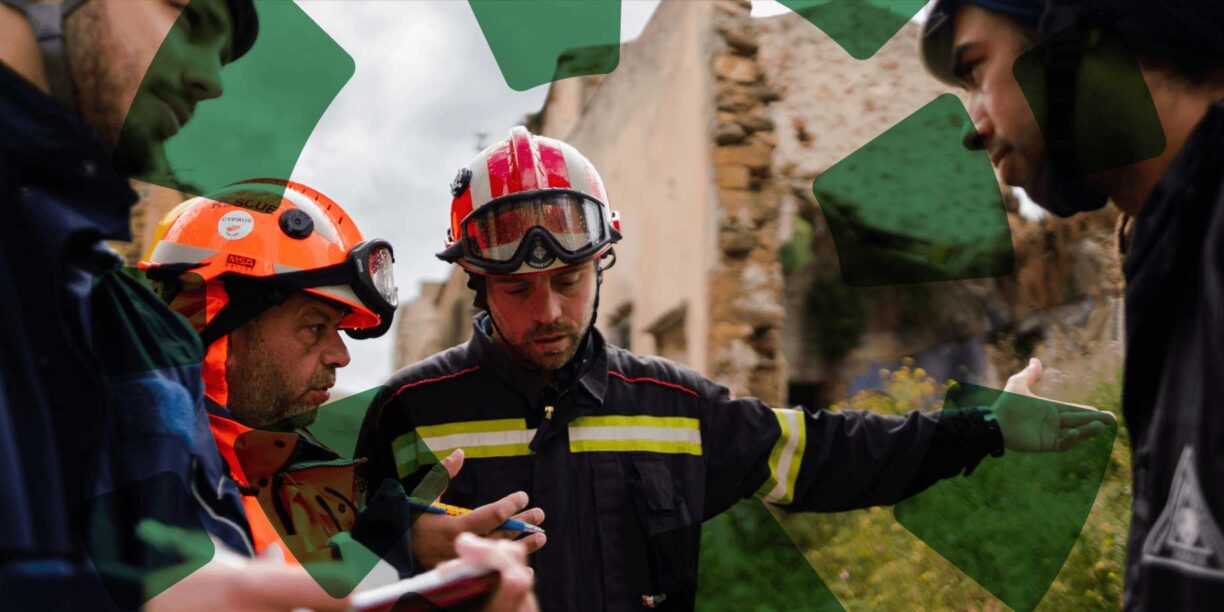
When a disaster happens, nonprofits are often the first to mobilize and the last to leave. They step in to provide urgent relief, such as food, clean water, shelter, and medical care. Equally critical, they remain on the ground long after the headlines fade, helping communities rebuild, restoring infrastructure, and supporting long-term recovery.
Nonprofits play a vital role in getting resources where needed most, but they can’t do it alone. Fundraising is one of the most powerful ways to make this possible.
Below, we’ll walk you through practical steps, tools, and strategies to launch an effective disaster relief campaign. From preparing your nonprofit to creating a donation page that seamlessly converts, you’ll learn how to raise money and maximize impact when it’s needed most.
Why start an emergency campaign?
Disasters capture public attention and inspire immediate generosity, creating a pivotal moment for nonprofits. In fact, a 2025 survey found that donors directed 59% of their total annual charitable giving toward disaster relief.
By launching an emergency campaign, your nonprofit can turn this surge of goodwill into urgent aid and lasting support. Acting quickly not only delivers help when needed most but also builds relationships with new donors who can sustain long-term natural disaster recovery.
However, the need doesn’t disappear when public attention moves on. Mental health nonprofits, like crisis hotlines and counseling centers, often see their greatest demand 3–12 months after a disaster.
Environmental recovery can take even longer. Floods, wildfires, and industrial accidents can contaminate water, degrade habitats, and disrupt access to safe drinking water.
Addressing that damage takes years, not weeks. A well-planned emergency campaign helps your nonprofit respond now while sustaining donor engagement for the long road ahead.
Disaster fundraising across cause types
Not all disaster fundraising looks the same. Here are three common cause types and how each one shifts your approach.
Physical disaster relief
This category covers urgent needs, such as food, shelter, clean water, medical care, and rebuilding. Donors often act quickly after a disaster, making it critical to launch your campaign while the awareness and the desire to help are at their peak.
Contributions can fund first responders, emergency shelters, meal programs, temporary housing, and rebuilding crews. Because these needs are immediate and highly visible, disaster relief campaigns often gain momentum faster than other cause types. In the first few days, clear and specific asks, such as providing a week of meals or temporary housing for a family, tend to be especially effective.
Mental health and trauma response
This includes crisis counseling, trauma therapy, mental health centers, and crisis hotlines. In disaster fundraising, often the hardest stretch comes later, once the rebuilding is over. That’s when the mental health toll really starts to show. Focus your messaging on that ongoing need, not just the first moments of crisis. Recurring gifts work well here, as donor attention can fade before the need does.
Environmental and water causes
This category covers clean water initiatives, wildfire habitat restoration, flood control, and pollution cleanup. Because environmental recovery can take years, focus on measurable milestones rather than a single distant goal.
Show donors steady evidence of progress, such as acres restored, waterways cleaned, or families regaining access to safe running water. Photos and regular updates make these results tangible and help sustain trust over time. Recurring gifts are especially valuable because they provide reliable funding for the long-term work these projects require.
Preparing your nonprofit to mobilize quickly
Nonprofit organizations that prepare for emergency response are better positioned to launch disaster relief fundraising and support first responders on the ground. Grant preparedness is a big part of a nonprofit’s overall emergency readiness strategy.
Start by assessing your nonprofit’s readiness for an emergency response. Building a crisis team with clear roles ensures nothing gets overlooked when a disaster happens. For example:
- A decision-maker can set goals and delegate tasks
- A spokesperson can communicate with volunteers and the media
- A social media coordinator can share updates with your community in real time
Having these roles assigned early means your team can act quickly when every hour counts.
Equally important is developing a communication strategy before a crisis occurs. Drafting email and social media templates now allows you to send timely appeals later. These messages should include placeholders:
- Explaining the situation
- Outlining immediate needs
- Showing how donations will make a direct impact
Creating a compelling disaster relief fundraising campaign
A strong fundraising campaign starts with a clear, emotional story. When a disaster happens, donors want to know exactly what happened, why support is urgent, and how their contributions will make a difference. Use your donation page to explain the immediate need and reassure supporters that their donations will go directly to helping affected communities.
Trust and transparency are essential. That’s why it’s critical to be clear about how you’ll allocate funds. As the campaign progresses, update your page with new information, photos, and milestones to show the impact of donations. Sharing supporter testimonials or stories from the ground can also help build credibility and inspire others to give.
Prepare your campaign essentials in advance so you can respond quickly. Keep your logo, nonprofit boilerplate, approved messaging, and a library of high-quality photos organized and ready to use. When an emergency arises, you’ll be able to launch an effective crowdfunding campaign without delay.
GoFundMe Pro makes this process even smoother. With proven, ready-to-use templates optimized for performance, you can create an emergency relief donation page in a few clicks with the following features:
- Urgency-focused messaging
- A prominent call to action
- Intelligent Ask Amounts
- Social sharing incentives
You’ll also have access to key blocks, including:
- Activity feeds
- Share buttons
- Impact blocks
- FAQs
- Donation forms
- Transaction details
Plus, by tapping into your brand kit, including logos, colors, and fonts, you’ll ensure every campaign looks consistent without extra setup.
Finally, set a realistic fundraising goal. The number should reflect the urgency of the disaster and the scale of the relief you aim to provide. A clear, attainable goal helps motivate donors and builds momentum as you approach each milestone. And remember, donations made through your nonprofit’s campaign may be tax-deductible gifts, giving supporters another reason to give generously.
Extend your reach with a fundraiser on GoFundMe
In addition to creating a dedicated emergency donation page, consider launching a disaster relief fundraiser on GoFundMe. You can reach a community of more than 200 million who can donate directly or fundraise on your behalf, carrying your campaign beyond your existing donor base. Track funds raised across GoFundMe and GoFundMe Pro in your Pro dashboard for a complete view of campaign performance.
7 effective fundraising and supporter stewardship strategies
Raising funds for disaster relief efforts requires more than a donation button. By combining multiple approaches and keeping supporters engaged, nonprofits can maximize their impact and build a strong, lasting community of donors. Here are seven disaster relief fundraising ideas to guide your efforts.
1. Use multichannel promotion
Promote your campaign across emails, social media, your website, and paid ads to reach the widest audience possible. Each channel offers unique opportunities to connect with supporters, share updates, and highlight urgent needs.
2. Partner with local businesses and community leaders
Amplify your reach and credibility with local partnerships. Businesses can sponsor virtual events, match donations, or share your campaign with their networks, and community leaders can help spread the word and encourage participation. Collaborating with trusted voices strengthens your nonprofit’s presence in the community.
3. Incorporate peer-to-peer into your approach
Encourage supporters to create mini-campaigns on your behalf through peer-to-peer fundraising. By empowering individuals to share your mission with their friends and family, they expand your online fundraising reach. This method turns your supporters into ambassadors for your cause.
4. Thank donors and share impact updates regularly
Show appreciation by sending timely thank-you messages and progress updates. Highlight how donations address immediate needs and include photos or stories from the scene of action. Regular communication builds trust and encourages continued support.
5. Engage recurring donors and encourage increased gifts
Invite established recurring donors to increase their monthly gifts or give a one-time donation in addition to their ongoing amount. Small increases from multiple donors can add up to a significant boost for your fundraising campaign.
6. Use social proof and donor stories to build a community
Share stories from donors and the people your nonprofit serves to help create a sense of community. Social proof—such as testimonials, milestone celebrations, social media shoutouts, donation activity feeds, and other recognitions of supporters—reinforces the impact of giving and encourages others to participate.
7. Leverage earned media and outreach
Expand your nonprofit’s visibility with earned media, such as news coverage, social media mentions, and influencer endorsements. Reach out to journalists and media outlets with compelling stories and integrate your campaign into your owned channels to amplify coverage. This strategy increases credibility, drives more donations, and supports your crowdfunding and peer-to-peer fundraising efforts.
Mobilize support for effective disaster relief fundraising
By preparing your nonprofit, creating compelling campaigns, and engaging supporters strategically, you can provide emergency relief quickly and effectively while building a community of support that lasts.
GoFundMe Pro provides templates and tools to help nonprofits launch campaigns quickly, like Grand Canyon Conservancy did in response to the Dragon Bravo Fire, while also connecting them to GoFundMe’s wider network of supporters looking to make a difference.
Explore other stories about nonprofit’s disaster relief efforts on GoFundMe Pro, or request a demo to learn how you can launch your next disaster relief campaign with us.
Subscribe to the GoFundMe Pro blog
Get the latest fundraising tips, trends, and ideas in your inbox.
Thank you for subscribing
You signed up for emails from GoFundMe Pro



Request a demo
Learn how top nonprofits use GoFundMe Pro to power their fundraising.