

Community fundraising: The new era of peer-to-peer

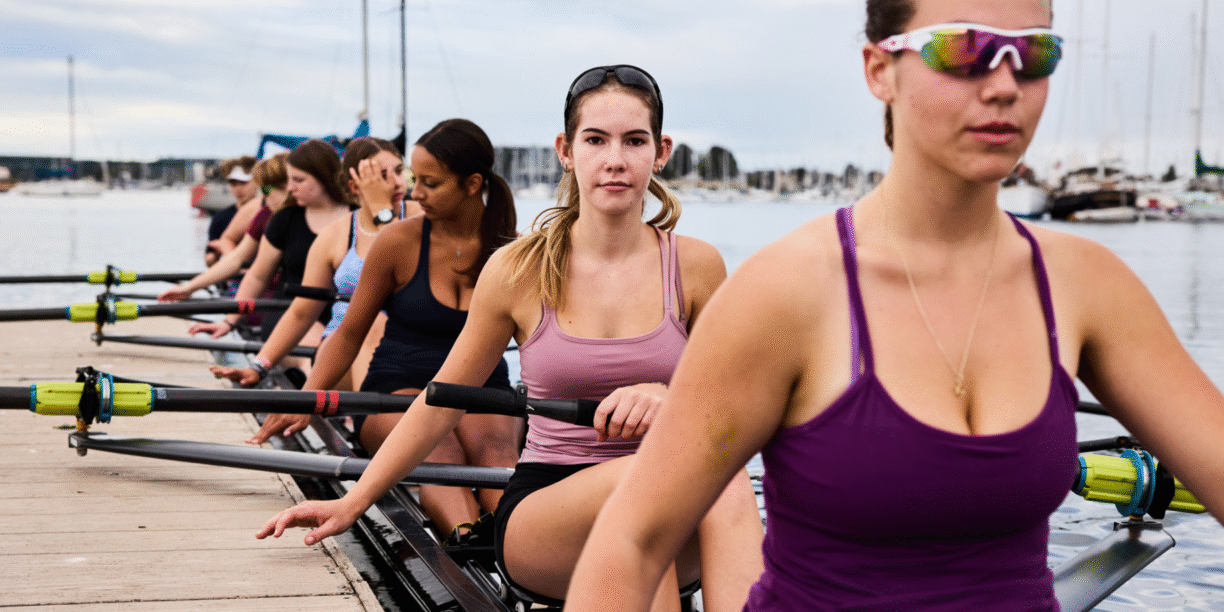
Peer-to-peer fundraising has fueled nonprofit growth for years, from 5K runs and cycling events to birthday fundraisers on social media. However, what was once a reliable model now needs a refresh to adapt to the changing giving landscape.
Supporters are moved by the people and stories around them, but they want more flexibility and ownership in how they show up. A fundraising page and a carefully curated script are no longer enough to inspire action. The latest trends in peer-to-peer fundraising are signaling an evolution toward empowering supporters to take action on their own terms.
Shifting to supporters leading the way
More nonprofits are embracing community-led fundraising that empowers people to tell your story in their words, through the channels and moments that feel most authentic to them.
This shift isn’t about walking away from what works. It’s about building on it.
Community fundraising extends beyond traditional peer-to-peer efforts by providing supporters with more opportunities to engage on the channels they already use to connect with each other. By fostering a sense of shared purpose, this approach helps organizations reach new audiences, reverse participation declines, and build a more resilient fundraising engine.
The difference between peer-to-peer and community fundraising
To understand the future of fundraising, we have to look at where we started. Traditional peer-to-peer campaigns often feel top-down: The nonprofit decides on an event, such as a fundraising gala or a walkathon, sets the rules, creates the graphics, and invites people to sign up. The supporter is a participant, whereas the nonprofit is the director.
Community fundraising flips the script.
In this model, the nonprofit sets the inspiration and, at times, the framework, whereas the supporter drives the action. They might decide to stream a video game marathon, run 100 miles, host a dinner party, or shave their head. They choose the activity that fits their lifestyle and their network.
Grounded in trusted relationships and lived experiences, this approach is more authentic, more participatory, and more aligned with how giving happens today.
This matters because it changes the dynamic of the relationship. You aren’t just asking them for a favor. You’re giving them agency. Even better, you’re inviting them to be a co-owner of your mission. And when people feel ownership over a cause, they work harder for it. They speak about it with passion and become more than donors or fundraisers. They become advocates for your brand.
Why trust is your most valuable asset
Trust in large institutions is slipping as people increasingly seek authenticity over polished corporate statements and generic marketing emails.
According to the 2026 Edelman Trust Barometer, people are turning to those closest to them when making decisions. Compared with five years ago, trust in neighbors, family, friends, and coworkers has increased by 11%, while reliance on national government leaders has fallen by 16% and on the media by 11%.
Similarly, GoFundMe’s The Social State of Giving report highlights the influence of social media creators, with most Gen Zers and Millennials following impact creators online. Notably, 1 in 4 Gen Z respondents reported donating because of a social media creator, and 51% said they would trust impact creators to make donations on their behalf.
Using a platform trusted by millions, such as GoFundMe, makes it easier for supporters to act, fostering confidence, trust, and meaningful engagement from the first step.
The double trust model in action
When a supporter starts a fundraiser for your organization, they lend you their credibility. They essentially tell their network: “I believe in this mission and trust this organization with my time and money, and you can too.”
This is what GoFundMe refers to as the double trust model. By combining your organization’s credibility with supporters’ personal connections, your brand reaches places it might not otherwise. A generic email from a nonprofit might get deleted immediately, but a heartfelt post from a friend gets read, liked, and shared.
Community fundraising also decentralizes your brand voice. Instead of one voice shouting from the mountaintop, thousands of supporters are having trusted conversations in living rooms, group chats, and social feeds. This creates a web of trust far stronger and more resilient than a traditional marketing funnel.
Taking trust one step further: The triple trust model
GoFundMe amplifies this effect through a triple trust model. In addition to your organization’s credibility and supporters’ personal endorsements, our platform adds another layer of trust.
Supporters feel confident giving on GoFundMe because it’s secure, widely recognized, and designed to make giving simple. Together, these three layers of trust make people more likely to give, share, and return, strengthening your fundraising impact in ways no single channel could achieve on its own.
Expanding your reach into new communities
Every nonprofit wants to reach new supporters, but traditional advertising is expensive, crowded, and often inefficient.
Community fundraising changes the game by introducing your mission to entirely new networks, building awareness in ways traditional campaigns can’t. Even if someone doesn’t give, they learn about your organization from someone they trust, which is increasingly rare in today’s saturated market.
In fact, in 2025 alone, 155,000 people started fundraisers for nonprofits on GoFundMe, including 85,000 first-time organizers stepping up on an organization’s behalf, showing just how much your message can extend into new communities when supporters take action.
Micro-communities matter
Consider your supporters’ networks: colleagues, friends, neighbors, and communities that you might not be able to reach alone. When a supporter launches a fundraiser on GoFundMe, they bring your mission into these micro-communities in a context that resonates.
A gamer connects you to the gaming world. A runner introduces your mission to the fitness community. A baker shares your cause with fellow foodies. You don’t need to be an expert in every subculture. You just need to empower the people who are.
Turn individual efforts into impact with smarter tools
People don’t just want to give. They want to do for the causes that matter to them.
GoFundMe Pro makes that easier, whether by launching a fundraiser, taking on a challenge, or participating in a campaign that directly benefits your nonprofit. Even better, once you claim your verified Nonprofit Page, your GoFundMe Pro dashboard automatically captures all donations and supporter details for seamless reporting.
In 2025 alone, supporters created over 80,000 challenge-style fundraisers, from yoga challenges and hikes to readathons and gaming events.
By empowering supporters to take action, you expand your reach, build trust, and turn awareness into meaningful supporter acquisition.
Letting go of the reins as a nonprofit professional
This is often the hardest part for nonprofit professionals because you’re trained to protect the brand at all costs. You’ve established brand guidelines, approved messaging, and strict rules for logo usage, so the idea of letting supporters create campaigns can feel terrifying.
What if they use the wrong font? Or what if they explain the mission incorrectly?
These are valid concerns, but they’re far outweighed by the benefits. In the era of community fundraising, authenticity beats perfection every time. A slightly grainy photo of a supporter volunteering is often more compelling than a stock photo of a smiling model. A caption written in a supporter’s voice, even with a typo or two, lands with more emotional weight than a press release.
You have to trust your community. If they care enough to raise money for you, they care enough to represent you well.
How the right technology makes this easier
Of course, this doesn’t mean that you leave them entirely alone. Even with the most enthusiastic supporters, fundraising can feel intimidating. They aren’t experts like you.
Nonprofits create campaign pages that reflect their brand and bring calls to action to life, using drag-and-drop tools to add leaderboards, engagement features, and other interactive elements.
Once the page is live, our platform supports fundraisers from start to finish. Built-in coaching, activity tracking, and nudges spark engagement and motivation. Meanwhile, fundraisers have access to a personal command center with recommended next steps, premade social media content, and suggestions for whom to reach out to next in their network.
This approach lets your nonprofit focus on strategy while GoFundMe handles the heavy lifting, supporting fundraisers at scale with insights from our community of over 200 million and $40 billion raised.
Using a platform trusted by millions makes it easier for supporters to take the first step. With the right guidance and resources, they can manage their fundraisers with confidence. When it’s easy for them to succeed, both they and your nonprofit benefit, while the experience stays flexible and personal.
GoFundMe’s trusted name has made it easier to rally support, as donors feel confident contributing through a well-known platform. This credibility and the ease of activation have helped us raise significant funds in a short period of time.
Building a feedback loop to improve community fundraising
One of the hidden benefits of community fundraising is that it functions as a massive focus group.
When you observe how supporters talk about your mission, you learn what resonates. Maybe you’ve focused your marketing on one specific program, but you notice that your top fundraisers are now talking about a different aspect of your work.
Pay attention to that. Your supporters can show you what the public finds most compelling about your organization.
You can also use this to identify your next generation of leaders. The person who raises $5,000 for their birthday isn’t just a donor. They’re a potential board member, ambassador, major donor, or volunteer leader. Community fundraising helps you identify these people to nurture those relationships.
Getting started with GoFundMe is easy
If you’re ready to embrace this shift, you don’t need to overhaul your strategy at once. Start by looking for opportunities to say yes to your community. Here are five steps to get started.
1. Claim your Nonprofit Page
Claim your Nonprofit Page to get started with GoFundMe’s community fundraising tools. It’s an easy first step to connect with new supporters and tap into our 200 million-strong network.
2. Create a “fundraise your way” option
Ensure your website has a clear and easy-to-find destination where supporters can start fundraisers. It should be front and center. Celebrate it.
Show examples of other people who have done it. If a supporter has a wild idea for a fundraiser, your answer should be: “That sounds amazing. How can we help?”
3. Equip them with the right tools
Your supporters are busy. If starting a fundraiser is difficult, they won’t do it. You need an intuitive, mobile-friendly, and beautiful platform.
This is where GoFundMe Pro shines. We combine the trust and familiarity of the GoFundMe brand with the custom controls your nonprofit needs.
4. Coach, don’t command
With GoFundMe’s built-in coaching tools, recommended next steps, and helpful resources, we’ve removed much of the guesswork from fundraising, and the heavy lifting is off your nonprofit’s staff.
Remember, when fundraisers feel supported, they stay motivated to keep going.
5. Focus on the story
Remind your supporters that they don’t need to be professional salespeople. They just need to share their “why.”
- Why does this cause matter to them?
- Why did they decide to get involved?
Encourage them to be vulnerable and share their personal experiences. That’s what resonates with donors.
Community fundraising ideas to activate your supporters
Whether launching your first community fundraising effort or looking to expand your supporter pipeline, these activation ideas will give your network a starting point.
Personal challenge fundraisers
Suggest supporters raise money by completing a virtual, peer-to-peer fundraising challenge, where participants work toward a self-directed goal, such as fitness milestones, reading challenges, skill-based goals, or gaming marathons, while raising money for a cause.
Participants can take part at any time, from anywhere, without needing to connect to a live event. Challenges can be time-bound, goal-oriented, or tailored to fit your community. Think “Walk 50 Miles in May” or “Read 10 Books in 10 Weeks.”
Pro tip: Encourage supporters to set a specific, measurable challenge goal for donors to follow their progress and feel invested in the outcome.
Community service and volunteer-led fundraisers
Organize volunteer days where participants collect pledges for hours served, neighborhood cleanups with sponsor-per-bag or sponsor-per-mile models, or skill-share events, such as tutoring sessions or cooking classes where attendees donate to participate. These experiences invite supporters to contribute their time and financial support, strengthening their connection to your cause.
Social and event-based activations
Recommend birthday fundraisers, dinner parties, trivia nights, viewing parties, or memorial fundraisers as low-lift, accessible ways to raise funds. The most successful activations are ones the supporter would do anyway, lowering the barrier to starting and making the ask feel natural.
Measuring success beyond the dollar
In a transactional peer-to-peer model, the only metric that matters is the total amount raised. In a community fundraising model, consider a broader set of metrics to understand your brand’s health.
Look at the number of new donors acquired. Did these people enter your ecosystem through a friend? Look at the retention rate of your fundraisers. Are they coming back every year? Look at the social reach. How many people saw your brand because a supporter shared it?
These metrics tell you if you’re building a movement, not just balancing a budget.
The future is community-led
The nonprofits that’ll thrive in the next decade are those that treat their mission as a shared cause powered by community.
When you embrace community fundraising, you move from a scarcity mindset to an abundance mindset. You stop worrying about how many emails you can send and start wondering how many conversations you can spark.
This shift requires bravery. It means stepping back and letting others take the spotlight. The reward? An organization that’s more resilient, more diverse, and more deeply connected to the world it serves.
Your supporters are ready to lead. Are you ready to follow them?
See how GoFundMe Pro can power your community fundraising strategy by requesting a demo.
FAQs
What is community fundraising?
Community fundraising builds on traditional peer-to-peer fundraising by giving supporters more ownership over how they participate. While peer-to-peer campaigns are often centered on nonprofit-led events or initiatives, community fundraising is supporter-driven, empowering people to fundraise in ways that reflect their interests, passions, and communities.
This creates more opportunities for year-round fundraising, advocacy, and deeper engagement.
What are the best community fundraising ideas?
Community fundraising ideas range from personal challenges, like fitness goals, to pledge-based cleanup days, birthday fundraisers, and video game marathons. The best ideas reflect the individual supporter’s interests, making them genuinely motivated to share and ask for support.
For inspiration, here’s a community fundraising challenge from the Alzheimer’s Association. Supporters commit to walking one mile a day to honor the millions affected by Alzheimer’s and other dementias, then invite their friends and family to sponsor their efforts with donations.
How can I inspire supporters to participate in community fundraising?
Inspire supporters by showing them that community fundraising can take many forms. Participation isn’t limited to a run, walk, or formal event. Encourage people to turn the hobbies, milestones, and activities they already love into opportunities to support your mission.
Once you establish the framework, participants can take part at any time, from anywhere, on a platform like GoFundMe.
Copy editor: Ayanna Julien
Subscribe to the GoFundMe Pro blog
Get the latest fundraising tips, trends, and ideas in your inbox.
Thank you for subscribing
You signed up for emails from GoFundMe Pro



Request a demo
Learn how top nonprofits use GoFundMe Pro to power their fundraising.