
Donors are motivated by others
Test period: August 2025
Hypothesis:
Humans instinctively look to others for cues when deciding how to act, especially in uncertain or fast-moving contexts. Publicly visible donor lists serve as a powerful form of social validation — they signal trust, credibility, and belonging. Seeing others’ names reinforces the perception that “people like me” are already contributing, which normalizes and accelerates participation. Removing or hiding these names diminishes that social proof, reducing both confidence and momentum, and in turn weakening one of the key psychological triggers that convert passive interest into active giving.
Design:
 Control

- Campaign with list of donor names
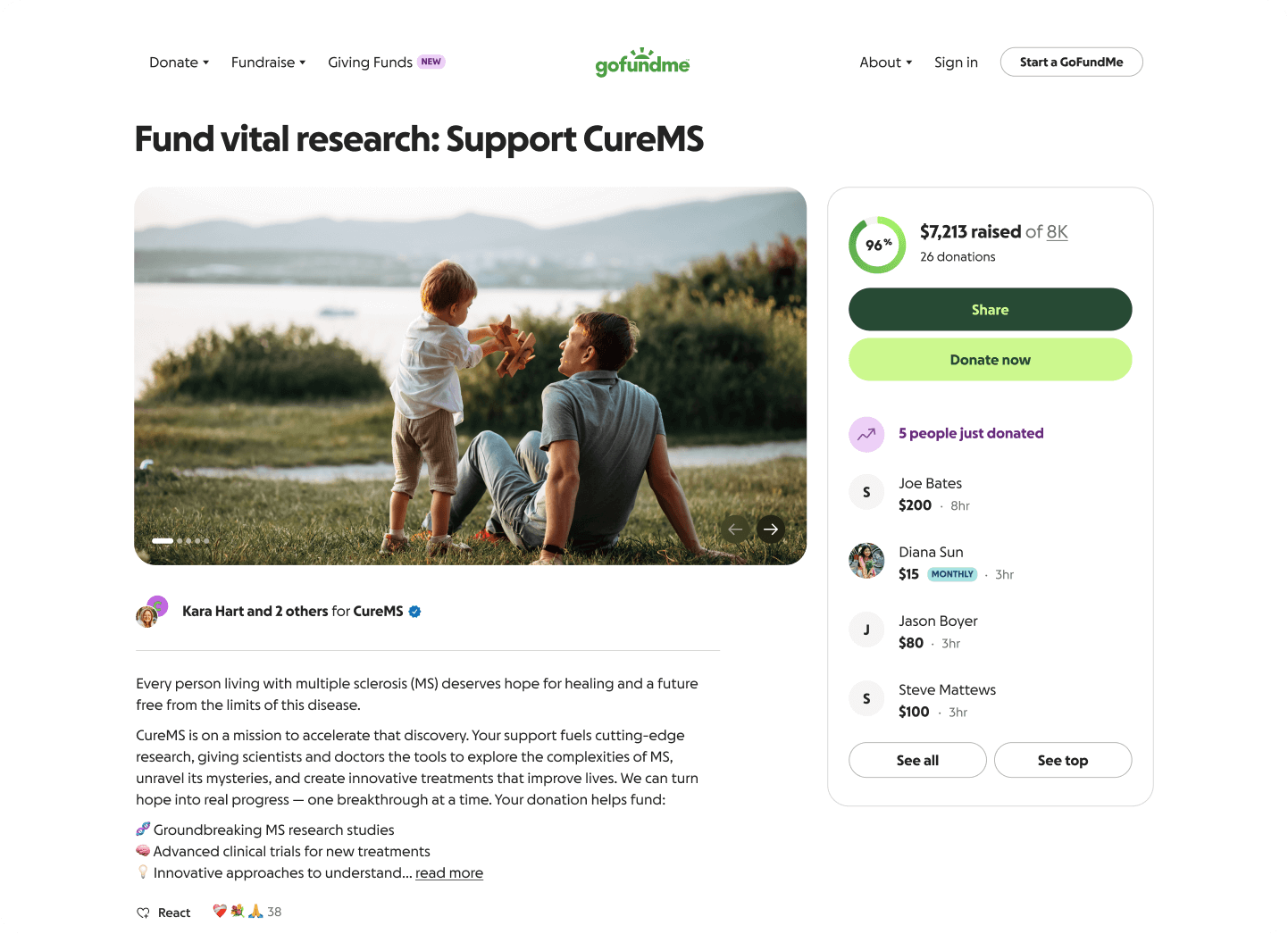
 Test
Test
-10.2%
- Campaign with named donor list removed
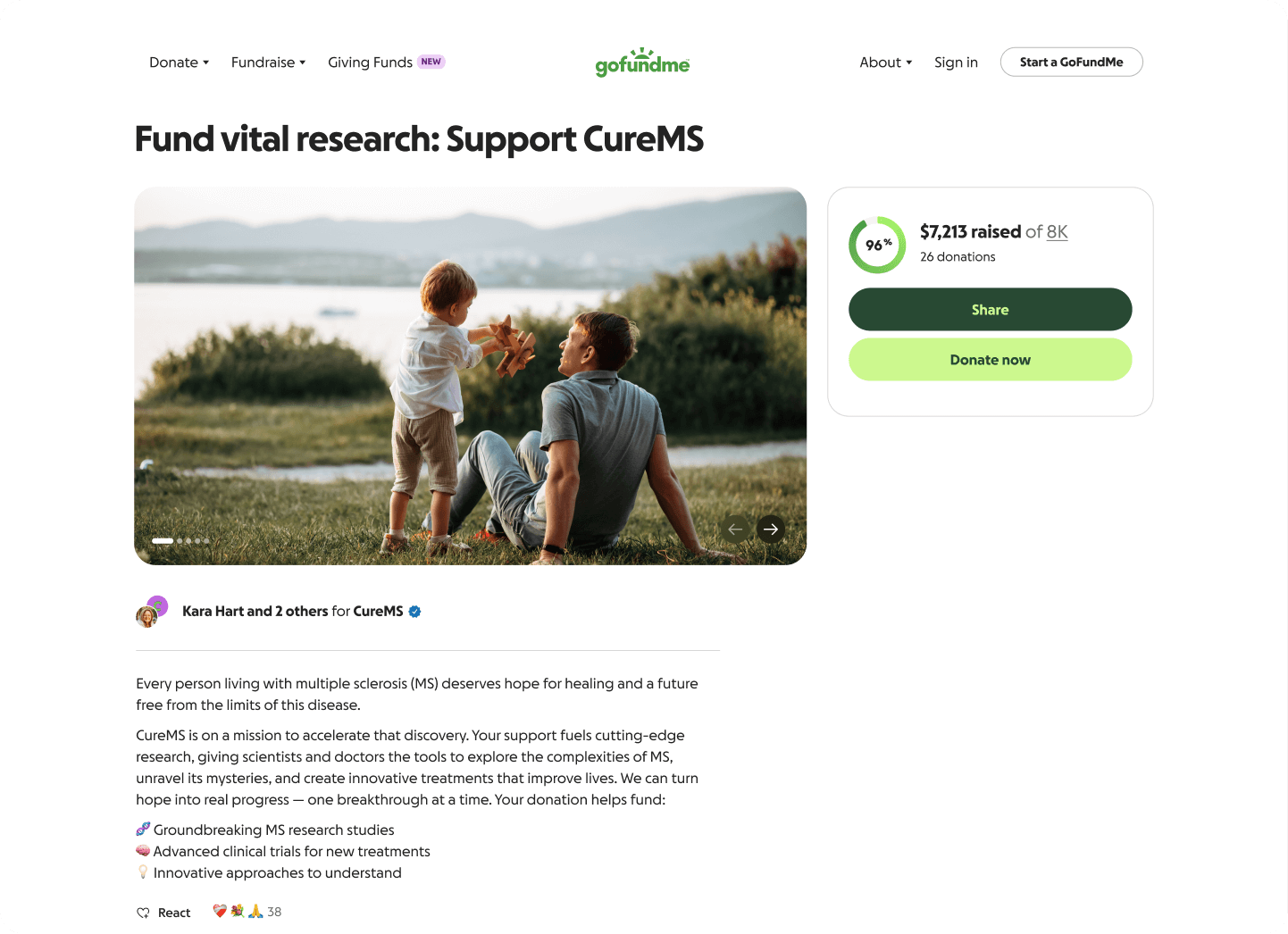
Results:
| Name | Control | Challenger |
| Conversion |  Baseline Baseline | -9.1% |
| Donation | Baseline | -10.2% |
Key learnings:
The removal of visible donor lists and real-time activity feeds led to a 9.1% decline in conversions and a 10.2% drop in donation volume, demonstrating that social validation is a critical driver of giving behavior. When individuals can see evidence of others’ generosity — through names, recent gifts, or messages of support — it creates a tangible sense of community momentum. Without that visibility, donors lose an important trust signal and the subtle psychological nudge that reinforces participation. These findings confirm that public displays of generosity are not ornamental—they are essential behavioral cues that foster belonging, trust, and action.
So what? These insights highlight the importance of surfacing collective generosity through a live feed of recent supporter highlights, which is why they have been built into our optimized campaign templates. Especially during high-intensity moments like Giving Tuesday, End of Year, or rapid-response fundraising, nonprofits can quickly convey credibility, collective collective approval, and positive energy–which can compound momentum and accelerate impact. By embedding social proof elements like this as a default component, we help organizations activate the human instinct to join a trusted movement, ultimately strengthening engagement and increasing total giving.